











New trailer orders were around 14,000 units in June, FTR and ACT Research reported Friday.
FTR reported a preliminary total of nearly 14,500 units, down 28% month over month but up 14% year over year and 8% against the 10-year June average of 13,379 units. ACT’s estimate was softer, with a preliminary total of 13,500 units, down 35% from May and 9% year over year.
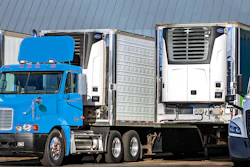
At 14,474 units, FTR reports June’s total likely indicates that April and May’s stronger intake was temporary rather than a new run rate. Refrigerated van and flatbed orders drove most of June’s year-over-year growth while dry van demand weakened after several solid months of orders. Almost all other segments improved from last year, FTR says. With summer typically weak, the company states demand is unlikely to improve meaningfully until 2027 order boards begin opening around September.

“That said, this year’s cycle has been anything but ordinary: the order upticks that should have started in September or October of last year didn’t actually begin until December. The atypical strength in orders in April and May reflects improving trucking fundamentals, buttressed by rising freight rates.”
FTR believes the market remains in a selective, replacement-driven recovery rather than a broad capacity expansion cycle. Stronger freight rates are supporting fleet confidence, but freight volume growth remains limited, and many carriers are still rebuilding margins. FTR adds low cancellations point to stable order commitments while strong Class 8 demand is diverting some fleet capital from trailers. Excess trailer capacity, high financing costs, elevated equipment prices and uneven profitability will likely keep the recovery gradual, the company says.

[RELATED: Finalists named for 2026 Trailblazer Award program]
“Cost pressure on the trailer market continues to mount from Section 232 steel and aluminum tariff changes in April and announced or pending antidumping and countervailing duties actions on van-type trailers and subassemblies,” says Dan Moyer, FTR senior analyst, commercial vehicles. “As we noted last month, the May Producer Price Index for trailers indicated a sharp increase in prices. Although May’s index growth was revised slightly downward and June’s index was barely stronger than flat month over month, the recent jump in the PPI suggests that policy-related costs are very likely already reaching equipment prices.”
Moyer adds the main risk from these recent and pending policy decisions is trailer sourcing shifts faster than domestic capacity can adjust.
FTR states June builds rose 6% month over month to 17,633 units but were 1% below last year. Year-to-date production was nearly flat, down 0.5% year over year to 97,165 units. Overall, the company believes manufacturers remain cautious and are keeping production aligned with demand.
[RELATED: The EPA has been busy in July; what does that mean for you?]
“OEMs and suppliers with U.S.-based production could gain share and pricing power, but a sharp pullback from affected imports could tighten availability, extend lead times and raise costs,” Moyer says. “The trade actions are, therefore, more likely to change where trailers are sourced and when fleets order, at least near term, than to create meaningful new demand.”
McNealy adds “Regardless of the timing, the order upticks certainly were welcome, but were premature in terms of 2027 order timing and the opening by OEMs of next year’s calendars. Additionally, caution remains a strategy for some trailer purchasers. Rates are rising now, but the past few years have been hard for carriers, and now the challenges of strong pent-up demand and the risks of higher maintenance costs and downtime to repair rather than purchase new equipment remain as counter-weights to their decision-making process.”