











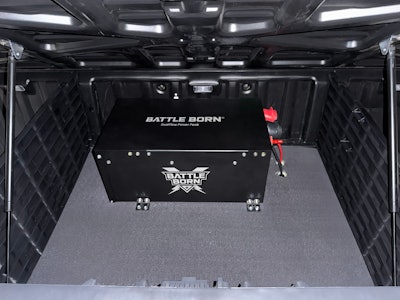
Dragonfly Energy has announced the availability of a new 24-volt configuration of its DualFlow Power Pack, expanding the Company’s idle-reduction solution to support a broader range of commercial truck electrical configurations.
Developed specifically for long-haul trucking applications, Dragonfly says the DualFlow Power Pack powers sleeper cab hotel loads during driver rest periods while protecting chassis starter batteries from deep discharge.
The system works by integrating directly with a truck’s electrical architecture and recharges through the alternator while the engine is running, enabling fleets to maintain cab comfort and onboard power without extended engine idling. Designed with a compact under-bunk footprint and flexible mounting options, the company says the DualFlow Power Pack can be installed across a variety of truck configurations while preserving valuable sleeper cab space.
“Fleets today operate a wide range of truck platforms, leading to significant variations in electrical system requirements and chassis voltages. However, a common denominator is the increasing demand for more power inside the sleeper cab,” says Wade Seaburg, chief commercial officer of Dragonfly Energy. “By expanding the DualFlow Power Pack line to support both 12-volt and 24-volt configurations, we believe we’re giving fleets a consistent idle-reduction solution across more vehicles while protecting starter batteries and minimizing downtime.”
Dragonfly says the 24-volt DualFlow Power Pack configuration was developed in response to growing fleet demand for solutions that accommodate varying truck electrical systems as sleeper cabs become increasingly electrified. The system delivers an additional 3.45 kWh of stored energy and features an integrated battery management system for safety and performance protection, along with internal heating technology designed to maintain operation in cold-weather conditions.
The DualFlow Power Pack provides sufficient stored energy to power sleeper cab hotel loads for the federally mandated 10-hour rest period without idling the engine, the company says. By reducing reliance on engine idling, fleets can lower fuel consumption and protect starter batteries from the deep discharge cycles that often lead to premature starter battery failure and costly service interruptions.