













Truck prices keep rising. But that doesn’t mean manufacturers aren’t doing what they can keep costs down.
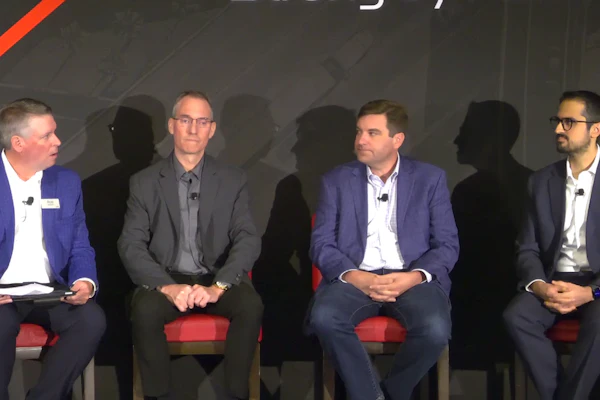
During MEMA’s Commercial Vehicle Outlook Conference Wednesday, Volvo Group’s duo of Rob Kinter and David Jacobs shared how their OEM is working to shift its engineering, product development and vendor partnerships to drive excess cost out of its operations and why it is vitally important for all manufacturers to do the same remain competitive in today’s marketplace.
“Customers are focused on the economics of their operations,” Kinter says, and they expect their vendors to do the same.
As Head of Project Management Purchasing in North America, Kinter says a good place to start when seeking to reduce costs is simply recognizing cost optimization is more than just purchasing. It goes far beyond getting quotes and squeezing vendors for better deals.
[RELATED: Stressors remain as trucking goes through capacity-based recovery]
“Our objective is not to transfer pressure from OEM to supply base” but reduce cost in all areas, Kinter says. “Supplier leverage alone is not a winning strategy” even if it might net some short-term wins.
Jacobs, director of Mack Cab Over & Mack Medium Duty at Volvo Group engineering, agrees and elaborates. He says cost optimization should be considered at all points in the production of a unit, not just when sourcing raw materials or components. He says cost savings can be found by removing waste, reducing complexity, improving manufacturability and strengthening competitiveness.
But he also acknowledges that’s not easy.
[RELATED: Suppliers overcoming uncertainty with cold-hard customer facts]
As an engineer, he points to the reduction of complexity as a prime example. “Not everything we design has to be something unique,” he says. Existing and proven designs are almost always a lower-price path forward because they come with built in efficiencies.
Keeping suppliers engaged during this process is essential as well, Jacobs says. Informing vendors of cost goals and sharing possible pathways to success allow both parties to work together in a mutually beneficial way. Kinter notes when it comes to reducing costs, there’s never a lack of ideas. Execution is where things become difficult. By bringing parties together as early as possible, things can get easier.

“We have to change how we work. We have to be more transparent with each other,” Jacobs says.
Kinter agrees, adding the best cost reduction is the one that improves competitiveness without creating downstream risk. “Cost optimization is a shared system. We need to do this together. It doesn’t begin with purchasing and end with a supplier concession.”