











The U.S. Environmental Protection Agency (EPA) has proposed a two-year delay on strict vehicle emission standards, pushing compliance back to model year 2029 in a sweeping effort to roll back Biden-era electric vehicle (EV) initiatives.
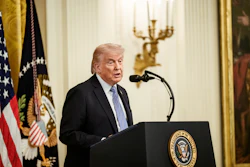
EPA Administrator Lee Zeldin framed the decision as a move to restore consumer choice, lower vehicle costs, and protect American manufacturing jobs amid cooling consumer demand for electric vehicles.
The proposal would delay Tier 4 compliance for light- and medium-duty vehicle emission standards from model year 2027 to model year 2029. The EPA projects the delay will save over $1.7 billion, translating to hundreds of dollars saved per vehicle for American families. In the interim, automakers would continue to follow existing Tier 3 standards through 2028, which the EPA notes already deliver up to an 80% reduction in emissions.
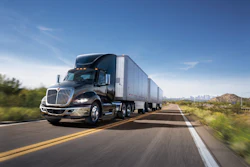
Heavy-duty trucks are held to a different compliance standard and are not affected by the current proposal. Trucking currently awaits EPA's NOx ruling for model year 2027, which is expected to be handed down in the coming weeks.
The central target of the announcement is the 2024 Tier 4 emissions standards established under the Biden administration. According to the EPA, those rules relied on "faulty assumptions" regarding rapid, widespread EV adoption.
Instead, the agency argues, the market has seen a pivot away from EVs, leaving automakers saddled with unrealistic compliance targets for internal combustion engine (ICE) vehicles.
“Freedom is the foundation of this nation, and this includes the freedom to choose the car you drive," Administrator Zeldin said in a statement. "The American people have been very clear; they do not want EVs forced upon them. This proposal aims to return EPA regulations to reality.”
Two-part deregulatory strategy
The announcement marks the first part of a broader, comprehensive review of federal Tier 4 standards aligned with President Trump's economic agenda.
In Part 2, the EPA said plans to formally reconsider the Tier 4 program entirely, which could include permanent changes to emission thresholds, phase-in schedules, and vehicle testing procedures. The agency maintained that it remains committed to protecting human health and the environment, but insists that regulations must be practically achievable for the auto industry.

Part of a broader rollback
The proposed delay builds on a series of aggressive deregulatory actions taken by the administration over the past year.
In February 2026, President Trump and Administrator Zeldin announced the repeal of the 2009 Endangerment Finding and all vehicle greenhouse gas regulations—an action the administration claims will save taxpayers $1.3 trillion. Additionally, federal changes in 2025 utilized the Congressional Review Act to overturn three California vehicle emission waivers, effectively striking down state-level EV mandates.
The EPA noted it is also currently working on separate regulatory relief efforts aimed at addressing Diesel Exhaust Fluid (DEF) issues for truckers and advancing Right to Repair rules for agricultural and industrial equipment.